

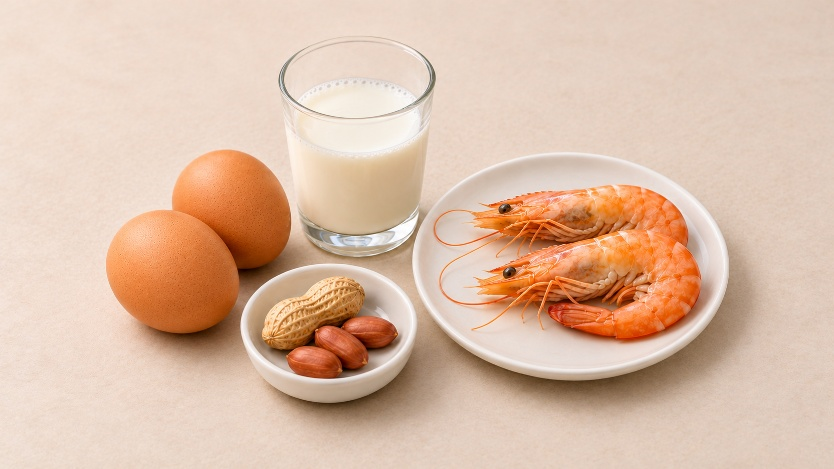
You’re out for dinner and your child wants fries. You mention their prawn allergy, and the server reassures you. “There’s no prawn in the fries.” Everyone else is ready to order, and it feels a little awkward to ask another question. But this is the one I’d ask: “Are the fries cooked in the same oil as the prawns?”
Ask what’s in the dish and how it’s cooked
Start with the food your child needs to avoid. You might say, “My child has a prawn allergy. Could you check with the kitchen whether there’s any prawn in this dish, including in the sauce or stock?”
Then ask how the dish is cooked. If the kitchen uses the same oil for fries and battered prawns, traces of prawn can carry over into the fries. This is called cross-contact, and it can happen with shared woks and utensils too. If the fryer is shared, you could ask, “Is there another dish the kitchen could prepare separately?”
What if we’ve ordered the same dish before?
It’s easy to relax a little at a restaurant you know well, especially if your child has eaten the same dish there several times. I’d still check. The sauce may come from a different supplier, or the kitchen may be preparing the dish differently that day. A quick “Could you check with the kitchen for us again?” is often enough to start the conversation.
What if the staff aren’t sure?
The server may need to ask the person preparing the food. A chef card can make that conversation easier. It gives staff something to take to the kitchen with the exact foods your child needs to avoid.
If the kitchen still can’t confirm what’s in the dish or how it’s prepared, it’s okay to leave it and choose something else. And if your child had their heart set on those fries, that can be disappointing. Bringing along a snack you’ve already checked gives you a backup if there’s nothing suitable to order.
Download the Dining Out Safely leaflet (PDF) for a quick checklist and sample chef card wording to take on your next family meal out. You can also read more about assessment and care on our Food Allergy page.
