

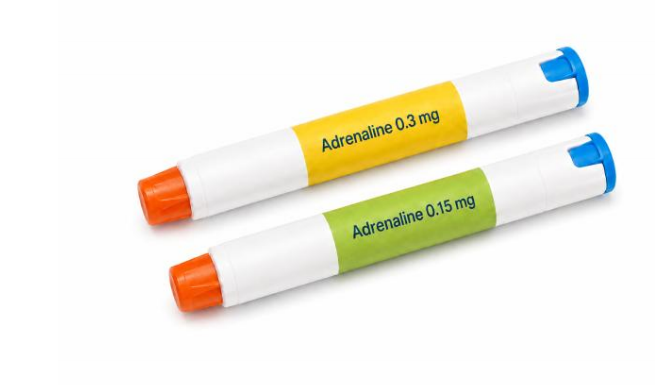
“My child only had a few hives the last time they ate peanut. Do they really need to carry an EpiPen?” This is a common question in clinic. An EpiPen is a type of adrenaline auto-injector used to treat anaphylaxis, a severe allergic reaction. To decide whether your child should carry one, I start by explaining why the same food can cause different reactions on different days.
Why is the severity of a food allergy reaction so hard to predict?
Even if all your child’s previous reactions have been mild, they can still have a severe reaction. How they react depends in part on what’s happening that day, including how much they ate and how the food was prepared. For example, some children with egg allergy can tolerate egg baked into a cake but react to lightly cooked egg. Exercising around the time of eating or being unwell with an infection can also affect how your child reacts.
How likely is your child to eat the food by accident?
Because the severity is hard to predict, one of the most important questions I ask is how easy is it for your child to avoid the food in everyday life? That depends on which foods they’re allergic to, how many they need to avoid and how easily those ingredients can be spotted in a meal.
Think through a typical week. Who prepares your child’s meals? Do they mostly eat food you cook at home, or do they often eat out? Do they eat meals at school or with several caregivers? A family may have a good routine at home and still find it harder to check ingredients when someone else is cooking. These details help us work out where an accidental exposure is most likely to happen.
What else do I consider?
A history of food-related anaphylaxis is a strong reason to carry an adrenaline auto-injector if there’s an ongoing risk of exposure. I also consider other health conditions, especially asthma that is poorly controlled or moderate to severe and persistent.
Travel deserves a separate conversation. You might be eating out more often, reading labels in another language or staying somewhere farther from medical care. If you have a trip coming up, bring it up when discussing whether your child should carry an EpiPen and how to prepare.
If your child is prescribed an EpiPen, go through their Allergy Action Plan with your doctor so you know when to use it. Make sure it goes with your child and that anyone caring for them knows where it is and how to use it.
Download the How to Use an EpiPen® leaflet (PDF) from Patient Resources for a step-by-step guide to share with grandparents, school staff and other caregivers. For more about assessment and care, see our Food Allergy page.
